SAFETY DISCLAIMER: Using a vacuum pump on a refrigeration system is a high-precision task. Improper vacuuming can leave moisture in the lines, leading to "sludge" that destroys the compressor. Ensure all connections are airtight and never start the compressor while the system is under a deep vacuum.
In refrigeration, a "vacuum" isn't just about removing air; it’s about dehydration. By lowering the internal pressure of the system, you lower the boiling point of water, allowing any trapped moisture to turn into vapor and be sucked out by the pump.
Key Diagnostic Tips:
The "Moisture Choke": If you repair a leak but don't pull a proper vacuum, moisture will mix with the oil and refrigerant to form an acidic sludge. This sludge eventually clogs the capillary tube, causing the fridge to stop cooling again within days.
The Rise Test: If you turn off your vacuum pump and the pressure rises immediately, you either have a remaining leak or there is still moisture "boiling off" inside the pipes.
Oil Contamination: If your vacuum pump oil looks milky or cloudy, it has absorbed moisture from a system. You must change the pump oil frequently to maintain the ability to reach a deep vacuum.
Improved Repair Strategy:
Triple Evacuation: For systems that were left open to the air (like a burst pipe), evacuate to 1,500 microns, break the vacuum with dry nitrogen, and repeat. This "washes" the moisture out of the system.
Target 500 Microns: Use a digital micron gauge. A standard analog manifold gauge cannot accurately measure a deep vacuum. For a reliable repair, you must pull the system down to at least 500 microns and hold it.
The "R600a" Trick: For isobutane systems, running the compressor for 2 minutes while the vacuum pump is attached can help release gas that is trapped (dissolved) in the compressor oil.
Seal the System: Once the vacuum is held, immediately charge the system with the exact weight of refrigerant. Any delay allows microscopic air to seep back into your perfect vacuum.
Vacuuming the system down is perhaps the most important step of the repair process.
Firstly the negative pressure you put the system under can be used to check for leaks and you clean out all the air , moisture etc from out of the system and being under negative pressure the moisture in the system will be boiled off as well .

Make sure you ensure all pipe hoses and connection on your tools are tight nothing worse than chasing leaks to find its your equipment.
With the manifold gauge connected to the system via the inline Schrader valve tap on the low side, turn the pump on and open the valve connecting vacuum pump to circuit. you should here the note of pump change and sometime you will see mist come out of the pumps breathing port as moisture it burned off.
You should vacuum down for at least 20 minutes to burn off moisture you should then shut the vacuum pump off and allow the system to hold its negative pressure for another 20 minutes.
The main gauge will be at minus 30 psi but it can be hard to spot leaks on this so it best to use a more powerful gauge, the vacuum pump I own has a very sensitive gauge and it will easy show up even the most minor of leaks so a always not and watch the reading of both.
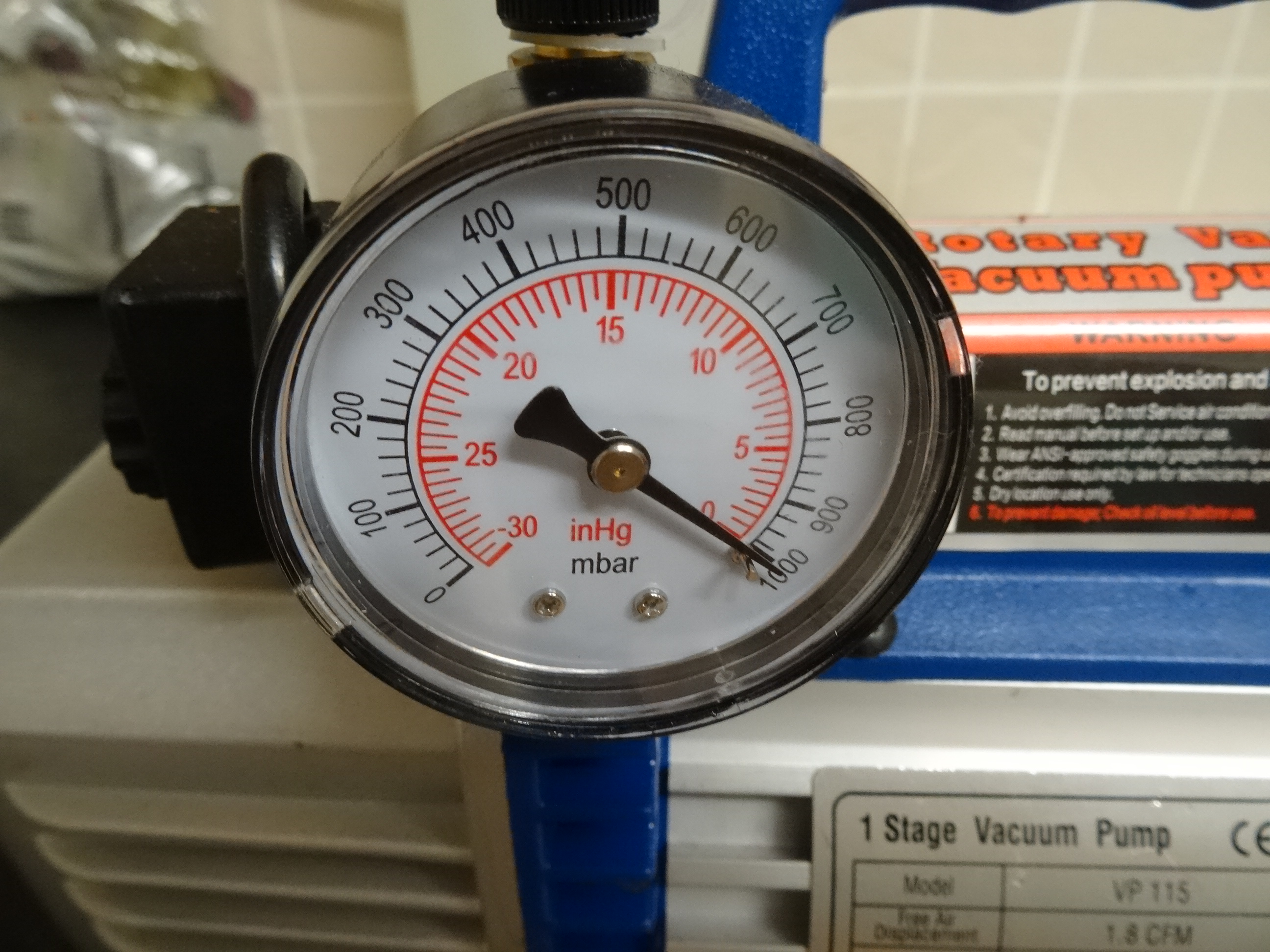
If it holds for 20 minutes your fine to regas if not you need to find the leak.

Refrigerator Repair in Faridabad - Looking for refrigerator repair services in Faridabad? We provide expert repair services and solutions for fridge issues like cooling failure, water leakage, unusual noises, and faulty thermostats. Our experienced fridge technicians ensure prompt, reliable repairs for all major brands, using genuine spare parts. Visit: Microwave Repair in Faridabad
ReplyDeleteWashing Machine Repair in Faridabad
Refrigerator Gas Refilling in Faridabad
Faridabad Repair